
Post-acne marks are one of the most persistent skin concerns adults deal with. The breakouts may be long gone, but the discoloration, textural changes, and surface scarring they leave behind can take months or longer to fade on their own. For many people, they do not fully fade without targeted treatment. At Global Life Rejuvenation in Denville, NJ, our specialized HRT team takes a physician-supervised approach to skin health that goes beyond surface-level care.
That means looking at what is happening at the cellular level. Compounded topical treatments and peptide-based options like GHK-CU are used specifically to support skin repair and reduce the appearance of scarring.
What Are Acne Marks and Why Do They Linger?
Acne marks fall into two general categories: post-inflammatory hyperpigmentation (PIH) and post-inflammatory erythema (PIE). PIH appears as flat, darkened spots, usually brown or tan, left behind after a blemish heals. PIE presents as flat, reddish marks from residual blood vessel activity in the healed skin. Neither is technically a scar, but both can persist for months without treatment.
Actual acne scars involve physical changes to the skin’s texture, such as pitting or raised tissue, resulting from damage to deeper dermal layers during more significant breakouts. These require longer treatment timelines than surface-level discoloration.
Both types share a common mechanism: disrupted collagen production and impaired skin repair at the cellular level. Addressing that disruption is where treatment begins.
How Hormones Influence Skin Health and Healing
Skin health and hormone levels are more connected than most people realize.
Estrogen plays a direct role in collagen production, skin hydration, and elasticity. As estrogen declines with age, skin becomes thinner, drier, and slower to heal. Post-acne marks that might have faded quickly at 25 can persist much longer at 45 because the skin’s repair mechanisms are operating at a lower capacity.
Testosterone decline in both men and women also affects skin cell turnover. Slower turnover means slower resolution of surface discoloration and textural changes left behind by healed breakouts. For patients dealing with persistent marks alongside symptoms of hormone decline, addressing hormone levels through HRT for women or TRT for men can support skin health from within, while targeted topical treatments address it from the outside.
GHK-CU: A Peptide That Supports Skin Repair
GHK-CU is a naturally occurring copper peptide found in the body that decreases with age. It plays a documented role in wound healing, collagen synthesis, and skin cell regeneration. In aesthetic medicine, it is used in compounded topical formulations to support skin repair, reduce the appearance of scarring, and improve overall skin texture and tone.
For patients dealing with post-acne marks, GHK-CU targets the underlying mechanism rather than surface discoloration alone. It supports the skin’s natural repair process at a cellular level, making it a useful tool in physician-supervised skin health protocols.
GHK-CU is available through our skin health and aesthetics service line as a compounded topical formulation tailored to the individual patient. Learn more about how it works on our GHK-CU page.
Compounded Topical Treatments
Standard commercial skincare products use fixed formulations. Compounded topical treatments allow a physician to prescribe a preparation specifically matched to the patient’s skin concern, severity of marks, and skin type.
For patients addressing post-acne marks, compounded topicals can target specific mechanisms, including collagen support, pigmentation, or surface repair, at concentrations and in combinations not available in over-the-counter products. Every formulation we prescribe is prepared through a licensed compounding pharmacy under physician oversight.
Who Is a Good Candidate?
Adults dealing with post-acne marks may benefit from a physician-supervised approach if OTC products have produced limited results after consistent use, marks are taking longer to resolve with age, hormone-related skin changes are also present, or a more precisely formulated compounded preparation is preferable to standardized commercial options.
Patients with active, ongoing breakouts are evaluated differently. Controlling active acne is typically addressed before focusing on post-acne marks.
What the Evaluation Looks Like
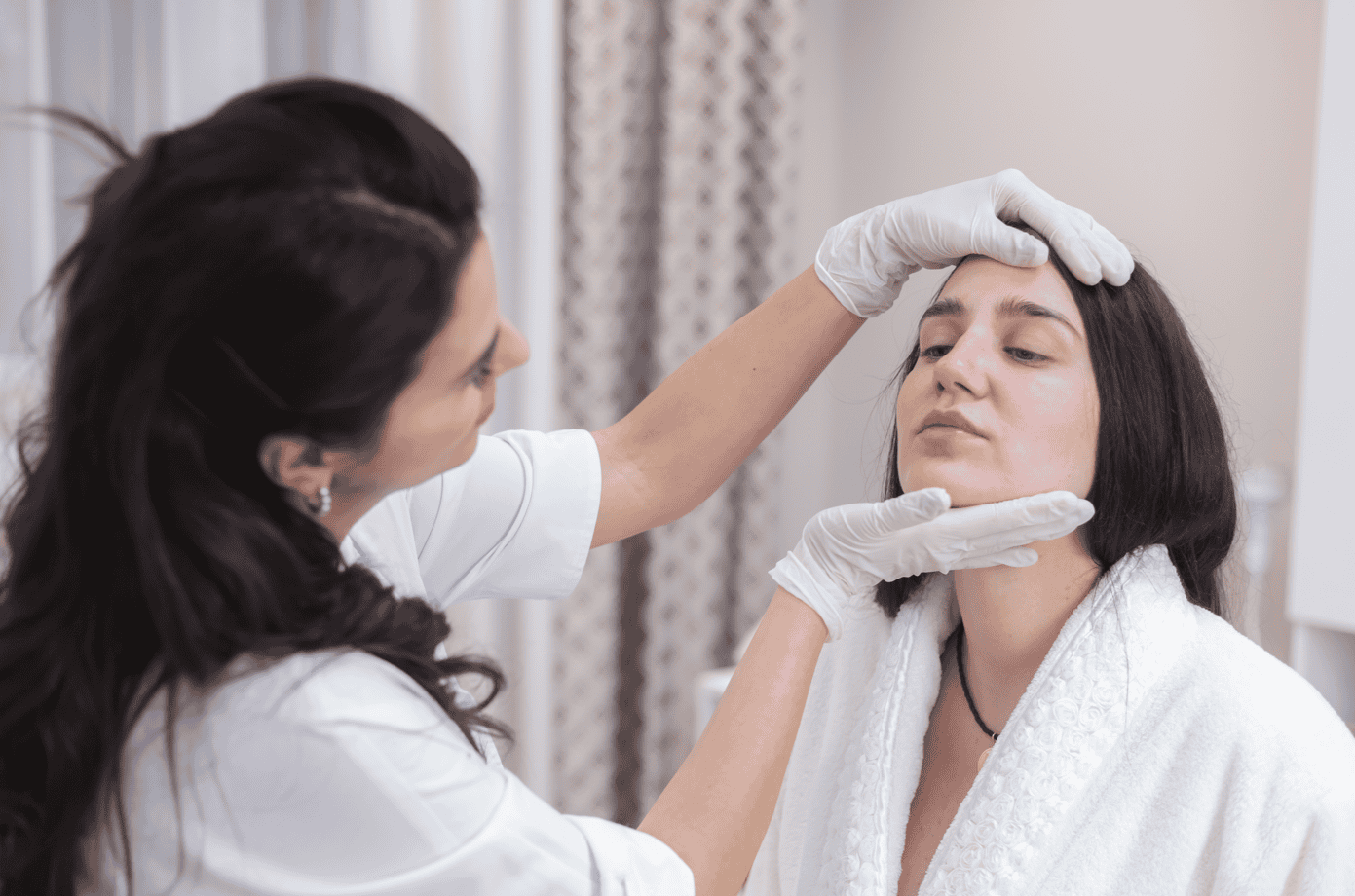
The first step is a consultation with a provider in our network. During that visit, your skin concerns are reviewed alongside health history and any current topical products or medications already in use.
If hormone-related skin changes are a contributing factor, lab work may be ordered to assess relevant levels. A treatment plan is created based on the full clinical picture, not just the surface concern.
Global Life Rejuvenation Denville 161 East Main Street, Denville, NJ 07834 866-793-9933 Monday through Friday, 9:00AM to 6:00PM
Additional NJ locations are available in West Caldwell, Teaneck, and Marlboro Township. View all clinic locations or schedule a consultation to get started.
Related Topics: