
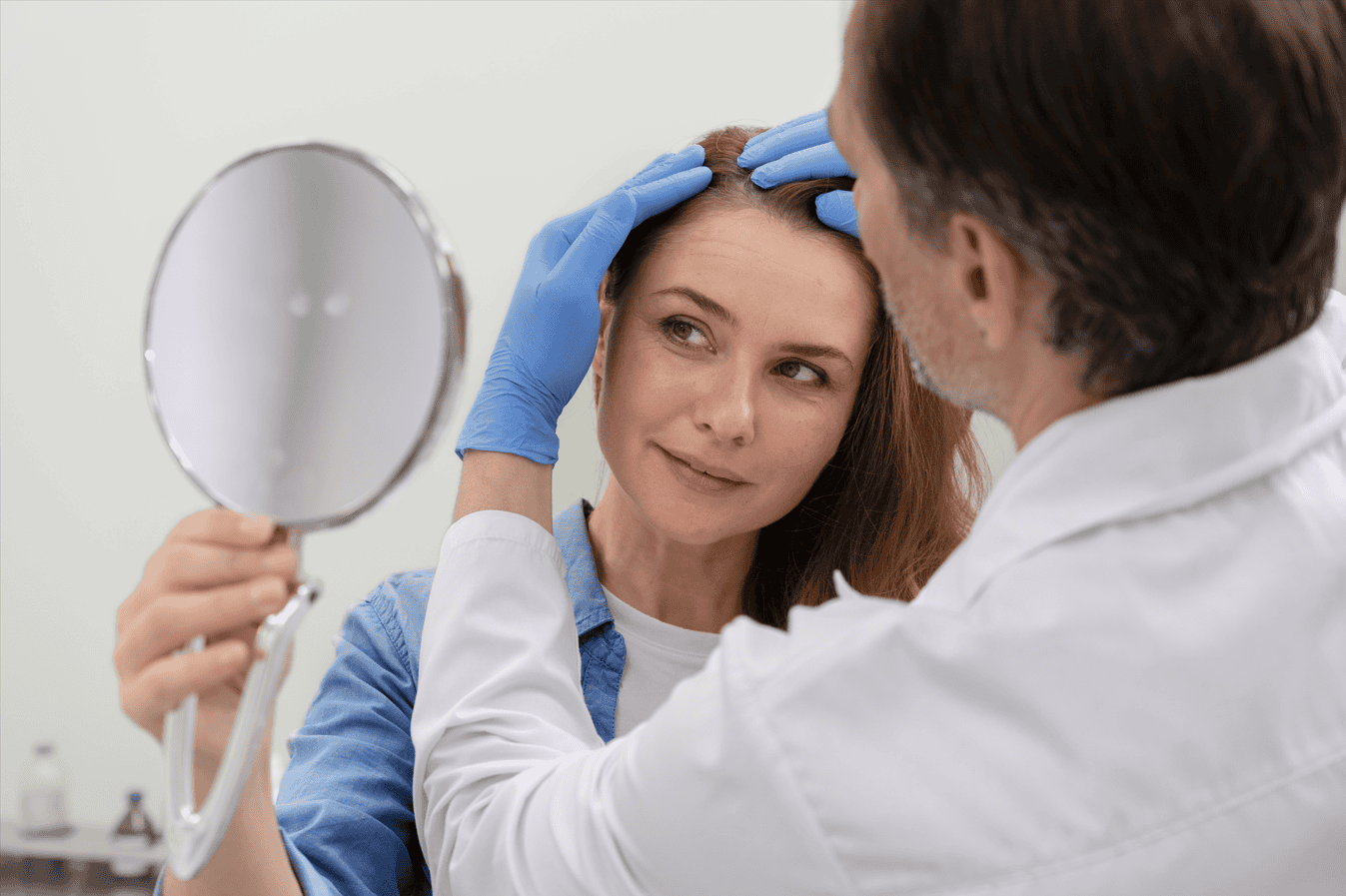
A lot of people start thinking about hair health more as the years pass. Thinning hair, slower growth, or extra shedding can show up, and yeah, it can feel frustrating. This article walks through what might be happening behind age-related hair loss and the non-surgical options people often consider. Somewhere in that process, many people even talk with a leading HRT treatment center because hormones sometimes play a part, though it is usually just one piece of the whole picture.
Hair health rarely depends on one single factor. Diet, stress levels, scalp condition, and even sleep can quietly influence hair growth and shedding. The idea here is simple. Look at the bigger picture and see how small adjustments or treatments may help over time.
Understanding Age-Related Hair Loss
Hair changes with age, and that shift usually happens slowly. Follicles may shrink slightly over time, leading to thinner strands and slower growth. The growth phase of hair also shortens, so hair may fall out sooner than it once did. It sounds simple, yet the biology behind it is actually pretty complex.
Hormones often play a role, too. Changes in testosterone, estrogen, and other hormones can influence how follicles behave. Genetics also matters, sometimes more than people expect. When someone understands these patterns, it becomes easier to figure out which approaches might help support healthier hair.
Importance of Scalp Care
People often focus only on the hair they see, but the scalp quietly does most of the work. Hair follicles live in the scalp, so their environment really matters. If the scalp stays clean and balanced, follicles tend to function better. That part is easy to overlook, you know.
A simple routine helps more than most people realize. Gentle cleansing removes buildup, while light exfoliation may clear away dead skin that can clog follicles. Moisturizing the scalp also helps prevent dryness that leads to brittle strands. Even a short scalp massage can increase circulation a bit.
Nutritional Support for Hair Health
Hair needs nutrients to grow properly. Vitamins A, C, D, and E support cell activity that affects hair and scalp health. Biotin often comes up in hair conversations, too, because it helps with keratin production. Hair strands rely on that protein structure to stay strong.
Minerals matter as well. Iron and zinc support follicle health and may help regulate certain hormonal processes connected to hair growth. Foods rich in omega-3 fatty acids, like salmon or walnuts, help nourish the scalp. A balanced diet filled with proteins, vegetables, and healthy fats often supports stronger hair over time.
Lifestyle Factors and Hair Loss
Daily habits influence hair more than people sometimes think. Stress, for example, can push hair follicles into a resting phase. That can lead to more shedding a few months later. It feels strange, but the body reacts to stress in quiet ways.
Movement helps too. Regular exercise improves blood flow, which carries oxygen and nutrients to the scalp. Sleep also matters since the body performs repair work during rest. Small habits like managing stress, eating well, and staying active can gradually support better hair health.
Non-Surgical Treatment Options
Several treatments aim to support hair growth without surgery. Minoxidil is a topical medication that many people use. It may extend the growth phase of hair follicles, which sometimes leads to thicker strands. Results vary, though some people do notice gradual improvement.
Low-level laser therapy is another option people talk about. The light energy may stimulate follicles and increase cellular activity in the scalp. Platelet-rich plasma treatments also appear in discussions about hair restoration. These approaches try to stimulate follicles naturally, though a medical professional usually evaluates which option fits best.
Building a Hair Care Routine
A simple routine often works best. Choosing shampoos and conditioners suited for thinning or delicate hair helps reduce unnecessary stress on the strands. Washing with warm water and gently massaging the scalp can encourage circulation. Small habits like that add up.
Hydration and nutrition still matter here, too. Many people include occasional deep conditioning treatments or scalp massages to support moisture levels. Limiting heavy heat styling tools may also help reduce breakage. Bit by bit, these choices create a routine that supports healthier hair and scalp over time.
Related Topics: