
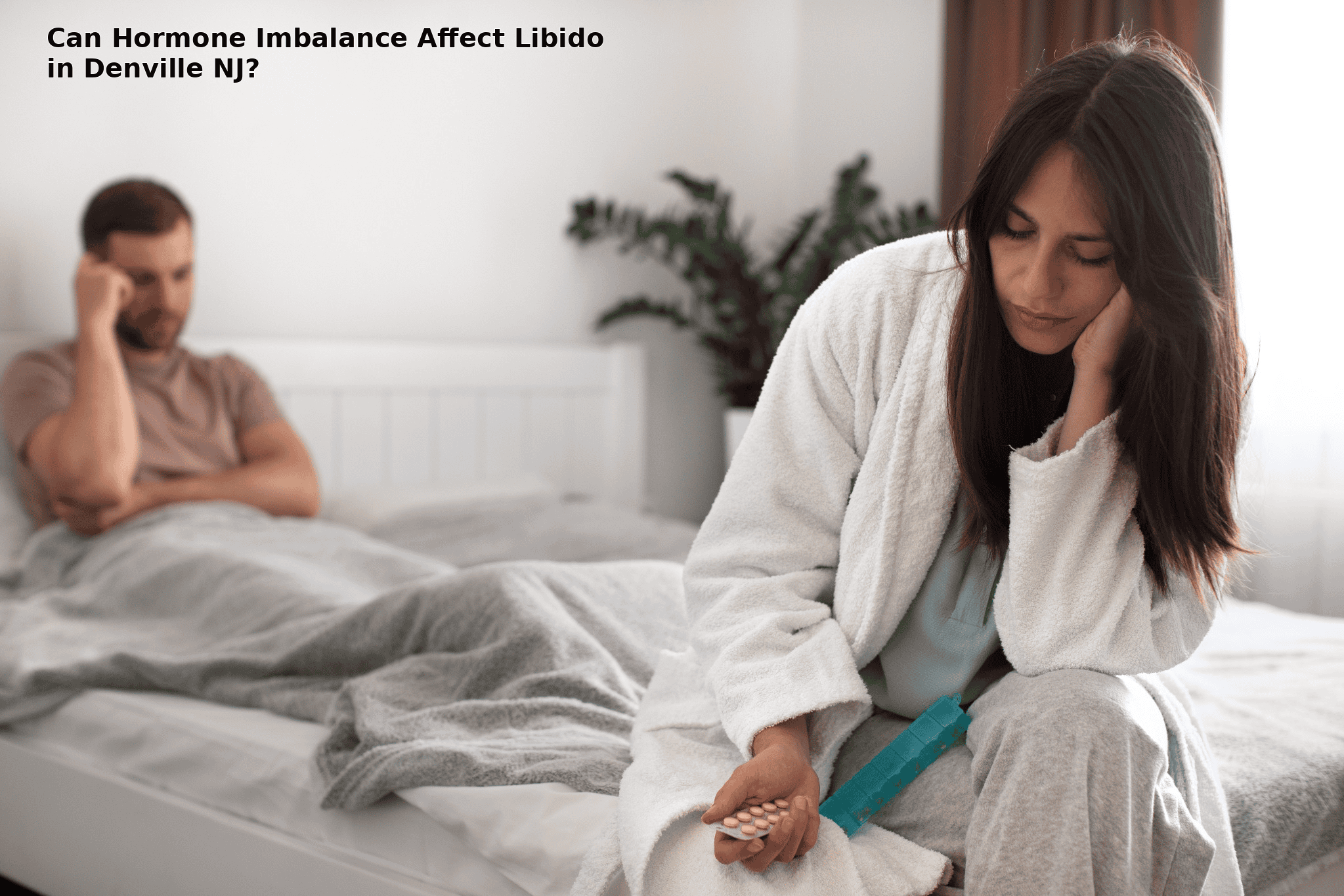
Low libido is something many patients bring up after dealing with it quietly for months or even years. It is easy to blame age, stress, a busy schedule, or relationship strain, but hormones can play a much bigger role than people realize. At Global Life Rejuvenation in Denville, we often see this in both men and women when sexual interest gradually fades, and no one connects it to hormone changes. For patients looking into qualified HRT in Denville, NJ, testing can help show whether low testosterone, estrogen shifts, or another imbalance may be part of the problem.
What Is the Link Between Hormones and Libido?
Hormones are not peripheral to sexual health. They are at the center of it. Testosterone, estrogen, progesterone, and even growth hormone all play direct roles in how the body experiences desire, arousal, and physical response. When any of these fall below the levels the body needs to function well, libido is typically among the first things affected.
The relationship is not metaphorical. Testosterone directly signals the brain’s reward and motivation systems. Estrogen maintains the physiological conditions that make sex comfortable and desirable for women. Progesterone affects mood stability, which shapes how connected and present a person can feel. When these levels are off, the result is not a matter of willpower or attitude. It is a physiological state that makes desire difficult to access, regardless of how much a person wants to want it.
Which Hormones Have the Strongest Influence on Sexual Desire?
Not all hormones affect libido the same way, and the picture differs between men and women. Understanding which hormones matter most is the first step toward addressing the root cause rather than the symptom.
Testosterone plays a central role in both sexes. In men, it is the primary driver of libido, arousal, and physical capacity for sex. When testosterone falls, desire typically drops alongside it. In women, testosterone is produced in smaller amounts by the ovaries and adrenal glands, but it remains a meaningful driver of sexual desire and physical response. A decline in female testosterone, particularly during perimenopause and menopause, is a documented contributor to low libido that is often overlooked in routine care.
Estrogen is responsible for maintaining vaginal tissue health and lubrication in women. When estrogen declines, sex can become physically uncomfortable, which creates an avoidance pattern that compounds the hormonal drop in desire. The physical barrier becomes as significant as the hormonal one.
Progesterone affects mood, anxiety levels, and sleep quality. A woman who is chronically anxious, poorly rested, and emotionally unsettled because of progesterone decline will find engagement in intimacy difficult, regardless of what her testosterone or estrogen levels are doing. All three hormones interact with each other.
What Does Low Testosterone Do to a Man’s Sex Drive?
For men, low testosterone and low libido are closely connected. Testosterone begins declining at roughly 1 to 2 percent per year starting around age 30. By the mid-40s, levels may be significantly lower than they were in a man’s 20s. By the time most of the men who come to us have noticed the problem, the decline has typically been building for years without a clear explanation.
The experience of low libido from low testosterone is not simply a reduced interest in sex. It typically presents as a combination of changes: less spontaneous desire, reduced response to stimulation, withdrawal from physical intimacy, and often a sense of flatness or detachment that affects more than just the sexual relationship. When we run bloodwork and confirm low testosterone as the underlying cause, addressing it with testosterone replacement therapy for men restores more than libido alone. Energy, mood, and motivation tend to return as part of the same shift.
How Does Estrogen and Progesterone Decline Affect Women’s Libido?
For women, the hormonal picture is more layered. During perimenopause and menopause, estrogen and progesterone both decline in ways that affect sexual health from multiple directions at once. The compounding effect is what makes this stage of hormonal change so disruptive, and why addressing only one hormone often produces incomplete results.
The physical effects come first for many women: vaginal dryness, tissue thinning, and discomfort during sex. These changes make avoidance a natural short-term response, but over time, that avoidance becomes a pattern that persists even when physical discomfort could be addressed. Meanwhile, the emotional effects of progesterone decline, including mood swings, anxiety, and poor sleep, make it harder to feel present and engaged in intimacy. Declining testosterone in women adds another layer, weakening the hormonal signal for desire further. Bioidentical HRT for women addresses these hormones together, using blood work to guide a personalized protocol rather than applying a standard formula.
Why Low Libido Gets Attributed to the Wrong Cause
One of the most consistent patterns we observe is that low libido gets explained away before it ever gets properly investigated. Patients are told they are stressed. They are offered antidepressants. They are reassured that their lab results are within normal range, without anyone explaining what that range actually means or whether it reflects optimal function for that individual.
Standard reference ranges are broad by design. A testosterone level at the low end of the normal range can still produce every symptom of deficiency. A woman whose estrogen is technically within normal limits but has been steadily declining may already be experiencing the full symptom cluster associated with hormonal change. The result is that patients spend years in a state of low libido without anyone connecting it to the biological cause driving it.
When to Get Tested and What the Process Looks Like
If low libido has been present for more than a few weeks, is affecting a relationship or quality of life, and cannot be explained by an obvious temporary stressor, it is worth investigating hormonally. We do not ask patients to wait until every other explanation has been exhausted.
The process starts with a consultation to review symptoms, health history, and lifestyle factors. From there, we order a blood panel that goes beyond basic testosterone levels. For men, we measure total testosterone, free testosterone, estradiol, SHBG, and other relevant markers. For women, we measure estrogen, progesterone, testosterone, FSH, LH, and thyroid markers, since thyroid dysfunction overlaps significantly with the hormonal pattern that affects libido and energy.
Once results are in, we explain what the numbers mean in the context of the symptoms. A personalized treatment plan is built from those results. Delivery options include injections, topical gels, creams, and implantable pellets, depending on the hormone involved, the patient’s preferences, and the clinical picture. Medications are shipped directly to patients accessing care via telehealth.
What Our Patients Have Experienced
The outcomes we see are not confined to a single symptom. When hormones are restored to a healthy range, the changes tend to span energy, mood, physical capacity, and relationships all at once.
Frequently Asked Questions About Hormone Imbalance and Libido in Denville, NJ
The questions below cover the most common concerns we hear from patients and people researching hormone therapy for libido in Denville, NJ.
Q: Can a hormone imbalance cause low libido even if my doctor said my bloodwork was normal? A: Yes. Standard reference ranges are broad, and a testosterone or estrogen level at the low end of the normal range can still produce significant symptoms. We evaluate bloodwork alongside your symptom history and health picture, not just against a reference range cutoff.
Q: Is low libido from hormone decline treatable? A: For most patients with confirmed hormone deficiency, yes. Testosterone replacement therapy for men and bioidentical HRT for women have both shown meaningful improvement in libido when administered at appropriate, monitored doses. Results vary by individual and delivery method, and outcomes improve with regular follow-up.
Q: How long does it take for hormone therapy to improve libido? A: Most patients begin noticing early changes in desire and energy within four to six weeks of starting treatment. More significant and stable improvements typically develop over three to six months as hormone levels stabilize and the body adjusts.
Q: Is low libido just a normal part of aging? A: Gradual shifts in libido can accompany age, but significant or prolonged loss of sexual desire is not something that should be accepted without investigation. When low libido is tied to measurable hormone decline, it is a medical condition that responds to treatment.
Q: Do women need testosterone for libido? A: Yes. Women produce testosterone in smaller amounts than men, but it still plays a meaningful role in sexual desire and physical response. Declining testosterone in women, particularly during perimenopause and menopause, is a recognized contributor to low libido that is often undertested in routine care.
Contact Us
Our team at Global Life Rejuvenation is here to help you reclaim your vitality with personalized care and wellness solutions. If you are experiencing low energy, hormonal imbalance, or changes in mood and appearance, we offer specialized hormone therapies, anti-aging treatments, and supportive wellness services designed to help you look and feel your best.
Address: 161 E Main St, Denville, NJ 07834, United States
Phone: (866) 793-9933
Business Hours:
- Sunday: Closed
- Monday: 9:00 AM to 6:00 PM
- Tuesday: 9:00 AM to 6:00 PM
- Wednesday: 9:00 AM to 6:00 PM
- Thursday: 9:00 AM to 6:00 PM
- Friday: 9:00 AM to 6:00 PM
- Saturday: Closed
Contact us using the form below or call us directly to schedule your consultation and learn more about our hormone therapy, anti-aging, and wellness services.
Related Topics: