
Last Updated: October 25, 2026
Quick Summary
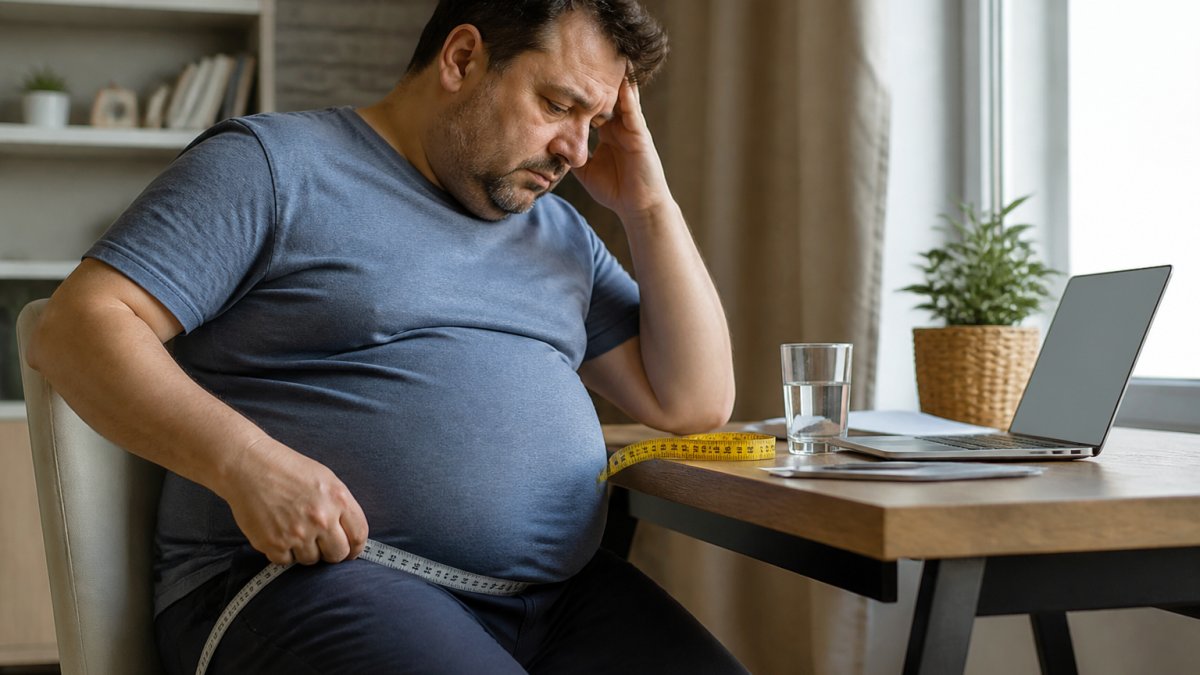
Yes, does low testosterone cause weight gain. Low testosterone reduces muscle mass, slows metabolism, and increases fat storage around the abdomen, while excess weight further suppresses testosterone production, creating a difficult cycle to break without proper intervention.
- Testosterone peaks in the morning, so blood testing should occur between 7 and 10 a.m. for accurate results
- At least two separate morning testosterone measurements on different days are required before diagnosis, not a single test
- TRT produces modest gains in lean mass of a few pounds and similar fat loss, not large-scale weight loss alone
- Excess body fat produces estrogen and contains aromatase enzyme that converts testosterone into estrogen
- A comprehensive approach includes calorie-appropriate diet, resistance training two to three times weekly, aerobic activity, and consistent sleep
Table of Contents
- The Connection Between Low Testosterone and Weight Gain
- How Testosterone Affects Body Composition and Metabolism
- Low Testosterone Symptoms You Shouldn’t Ignore
- Can Weight Gain Lower Testosterone Levels?
- Getting a Low Testosterone Diagnosis
- Testosterone Replacement Therapy and Weight Loss
- Start Your Personalized Hormone Assessment
- Frequently Asked Questions
The Connection Between Low Testosterone and Weight Gain
Does low testosterone cause weight gain? The short answer is yes, but the relationship is more complex than a simple cause-and-effect. Low testosterone levels can contribute to weight gain, particularly around the abdomen, but it’s not the only factor at play. Understanding this connection matters because many men over 35 experience both symptoms simultaneously and wonder which came first.
The good news is that recognizing the link between testosterone deficiency and weight gain is the first step toward addressing both issues.
The relationship works in two directions. Low testosterone can make weight gain more likely. At the same time, excess weight, particularly body fat, can lower testosterone levels further. This creates a frustrating cycle that many men find difficult to break without proper intervention.
How Testosterone Affects Body Composition and Metabolism
Testosterone plays a central role in how your body builds and maintains muscle mass. When testosterone levels decline, your body loses its ability to build lean muscle efficiently.
Here’s what happens at the cellular level: testosterone signals your muscles to grow and repair after exercise. Without adequate testosterone, that repair process slows down. Your workouts become less effective. You feel weaker even when you’re trying just as hard.
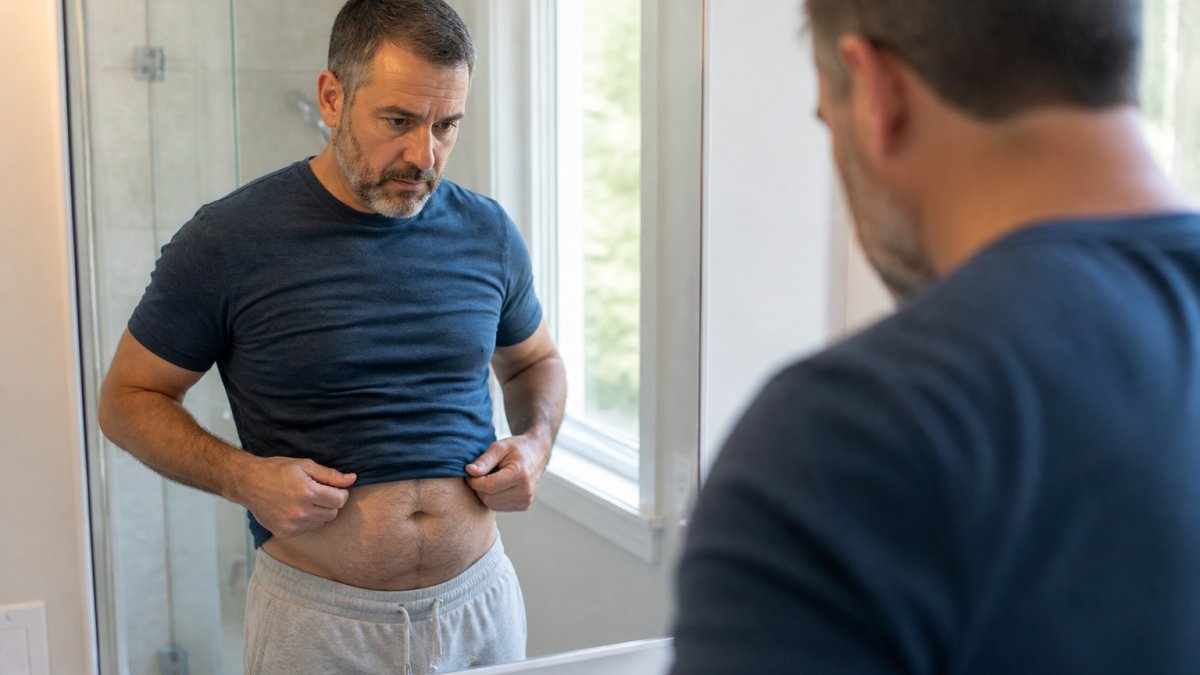
Beyond muscle, testosterone influences where your body stores fat. Low testosterone often leads to increased central adiposity, fat accumulation around the belly and midsection. This isn’t just a cosmetic concern. Abdominal fat is metabolically active and can worsen insulin resistance, making it even harder to lose weight.
Your metabolic rate also slows when testosterone drops. A common mistake men make is assuming they can eat the same amount and exercise the same way they did in their 30s. When testosterone levels fall, calorie expenditure decreases. The math no longer works.
Additionally, testosterone affects your motivation and energy levels. Low testosterone often brings fatigue and reduced motivation for physical activity. You skip the gym. You move less throughout the day. This reduced activity compounds the problem.
Low Testosterone Symptoms You Shouldn’t Ignore
Low testosterone symptoms extend far beyond weight concerns. Recognizing these signs matters because they often appear together and can signal a hormonal imbalance worth investigating.
Common symptoms include:
- Persistent fatigue and low energy throughout the day
- Reduced muscle strength and difficulty building muscle
- Increased body fat, especially around the abdomen
- Decreased libido and sexual performance issues
- Mood changes, including irritability or depression
- Difficulty concentrating or brain fog
- Sleep disturbances or poor sleep quality
The challenge is that these symptoms overlap with many other conditions. Fatigue could be from poor sleep, stress, or diet. Weight gain could result from overeating or lack of exercise. This overlap is why comprehensive hormone testing becomes important, you need actual data, not guesswork.
Watch out: assuming weight gain is purely a lifestyle issue when testosterone deficiency is the root cause wastes months of effort on diet and exercise alone. If you’ve been eating well and exercising but still gaining weight, hormonal factors deserve investigation.
Many men dismiss these symptoms as normal aging. They accept fatigue and weight gain as inevitable. That acceptance often prevents them from seeking diagnosis and treatment that could restore their quality of life.
Can Weight Gain Lower Testosterone Levels?
This is where the cycle becomes clear. Just as low testosterone can cause weight gain, excess weight can lower testosterone levels. Obesity and testosterone levels influence each other bidirectionally.
Excess body fat, particularly abdominal fat, produces estrogen. Higher estrogen levels suppress testosterone production. Additionally, fat tissue contains an enzyme called aromatase that converts testosterone into estrogen. The more fat you carry, the more testosterone gets converted away.
Insulin resistance often accompanies weight gain and obesity. Insulin resistance interferes with the hormonal signals that regulate testosterone production. Your body produces testosterone less efficiently.
This creates a genuine problem: a man with low testosterone gains weight, and that weight gain further suppresses testosterone. Without intervention, the cycle deepens. Each month, testosterone drops a bit more. The body accumulates more fat. The motivation to exercise fades further. Recognizing the subtle signs of low testosterone early can help break this physiological feedback loop before the metabolic decline becomes entrenched.
Understanding this relationship is crucial. It means addressing weight gain requires more than diet changes alone. It means investigating whether testosterone deficiency is contributing to the problem.
Getting a Low Testosterone Diagnosis
Diagnosis requires blood work. Comprehensive hormone testing detects imbalances and guides personalized treatment plans. There is no way around this.
The standard pathway has four steps, and skipping any of them is where most self-diagnosis goes wrong.
Step 1, Symptom assessment. A clinician first confirms that you have consistent symptoms of androgen deficiency, not a single vague complaint. The classic cluster includes low libido, reduced morning erections, fatigue, loss of muscle strength, increased body fat, mood changes, and poor concentration.
Step 2, Appropriately timed blood testing. Testosterone peaks in the morning, so blood is typically drawn between 7 and 10 a.m (Hypogonadism in Men). Testing late in the day can produce a falsely low reading. The initial panel usually includes total testosterone; many clinicians add free testosterone, luteinizing hormone (LH), follicle-stimulating hormone (FSH), prolactin, and sometimes thyroid and metabolic markers to see whether the problem originates in the testes or in the pituitary signaling above them.
Step 3, Repeat testing. A single low result is not a diagnosis. Testosterone fluctuates with sleep, illness, stress, and time of day. Guidelines from major endocrine organizations call for at least two separate morning measurements, ideally on different days, before labeling a deficiency.
Step 4, Clinician interpretation. Numbers are interpreted against the lab’s reference range and against the whole picture.
Do not order a single online testosterone test, read one number, and start a protocol. A low result on one draw is a prompt for repeat testing and clinical review, not a diagnosis. Self-treating based on a single lab value can mask other conditions, including thyroid disease, sleep apnea, and depression, that also cause fatigue and weight gain.
Endocrine Society guidance on testosterone testing and interpretation
The key point is that diagnosis is a process, symptoms, timed labs, repeat confirmation, and clinical judgment, not a single test.
Diagnosis requires a structured process with multiple steps and confirmatory testing.
| Step | What to Do | Key Detail |
|---|---|---|
| Step 1 | Symptom assessment | Confirm consistent symptoms like low libido, fatigue, reduced muscle strength |
| Step 2 | Blood testing | Draw between 7 and 10 a.m. when testosterone peaks |
| Step 3 | Repeat testing | Require at least two separate morning measurements on different days |
| Step 4 | Clinician interpretation | Compare results against lab reference range and clinical picture |
Testosterone Replacement Therapy and Weight Loss
Testosterone replacement therapy (TRT) is prescribed for men with confirmed, symptomatic testosterone deficiency, not as a weight-loss drug. That distinction matters, because the evidence on TRT and body composition is more modest and more nuanced than marketing suggests.
What the evidence supports. In men with genuinely low testosterone, TRT tends to increase lean mass and reduce fat mass modestly. Comparing peptides, TRT, and HRT for body composition helps you understand how each approach supports fat loss, muscle, recovery, and metabolism.
Who qualifies. Treatment is generally considered for men with consistently low morning testosterone on repeat testing plus symptoms. Men with borderline levels and no clear symptoms are a gray zone where clinicians weigh risks and benefits individually.
Risks and monitoring. TRT is not risk-free. Potential effects include erythrocytosis (raised red blood cell count, which requires periodic monitoring), acne, fluid retention, testicular shrinkage and reduced sperm production (relevant if fertility matters), and possible worsening of sleep apnea.
Expecting testosterone therapy alone to cause weight loss is a common and costly mistake. TRT works best as one part of a comprehensive plan that includes nutrition, resistance training, sleep, and follow-up. It also requires monitoring, not a set-and-forget prescription.
A more complete view of weight management. Because low testosterone and excess weight influence each other, the most effective approach usually addresses both sides of the cycle. Hormone replacement therapy for weight loss can be part of a comprehensive strategy when hormonal imbalance is present.
Other causes worth ruling out. Before attributing weight gain to testosterone, clinicians consider diet and activity patterns, sleep apnea, thyroid conditions, depression, medications (including some antidepressants and corticosteroids), and alcohol use.
Differences by age, sex, and context. Most of the research cited in this area concerns men, and findings should not be generalized to women or to all age groups.
If you are considering treatment, therapy is tailored to diagnosed deficiency.
Start Your Personalized Hormone Assessment
The connection between low testosterone and weight gain is real, but it’s also addressable. The first step is understanding your actual hormone levels through testing. From there, personalized treatment can be designed specifically for your needs.
Many men spend months or years trying to lose weight through diet and exercise alone, unaware that hormonal imbalance is working against them. Getting tested removes that uncertainty. You’ll know whether testosterone deficiency is contributing to your weight gain.
Global Life Rejuvenation specializes in personalized hormone replacement therapy designed to restore energy, balance hormones, and support weight loss. Our telehealth services make it convenient to get evaluated and start treatment from home. We provide expert medical guidance and ongoing support tailored to your unique situation.
Frequently Asked Questions
Does low testosterone cause weight gain?
Low testosterone can contribute to weight gain through multiple mechanisms. Testosterone supports lean muscle mass development and maintenance; when levels drop, muscle tissue declines while fat storage increases, particularly in the abdominal area. Additionally, lower testosterone correlates with reduced metabolic rate and calorie expenditure, making it easier to gain weight even without dietary changes. The relationship is significant but not absolute, other factors like diet, activity level, and age also influence weight.
What are the symptoms of low testosterone in men?
Common low testosterone symptoms include fatigue and reduced energy levels, decreased muscle strength and mass, increased body fat (especially around the abdomen), erectile dysfunction, mood changes including depression or irritability, reduced motivation for physical activity, and difficulty concentrating. Some men also experience hot flashes or night sweats. These symptoms often develop gradually, which is why many men don’t recognize them as hormonal. A blood test measuring testosterone levels is the only definitive way to diagnose the condition.
How is low testosterone diagnosed?
Low testosterone diagnosis begins with a clinical evaluation and blood test measuring testosterone levels. The standard diagnostic threshold is a total testosterone level below 300 ng/dL, though some physicians consider levels below 400 ng/dL as clinically relevant depending on symptoms. Testing is typically done in the morning when testosterone is highest. A qualified healthcare provider will also review your symptoms, medical history, and other hormonal markers.
Will testosterone replacement therapy help with weight loss?
Testosterone replacement therapy (TRT) can support weight loss by restoring lean muscle mass, which increases metabolic rate and calorie burning at rest. Men undergoing TRT often experience improved energy and motivation for physical activity, making exercise more sustainable. However, TRT alone does not cause automatic weight loss, it works best when combined with resistance training, adequate protein intake, and calorie management. Results typically emerge over several months as muscle mass rebuilds and metabolism adjusts. Individual outcomes vary based on age, baseline testosterone levels, lifestyle factors, and treatment protocol.
If you’re experiencing unexplained weight gain, persistent fatigue, or reduced muscle strength, hormonal factors may be at play. Contact Global Life Rejuvenation today at 866-793-9933 to schedule your personalized hormone assessment and discover whether testosterone replacement therapy can help restore your vitality and support your weight management goals.
